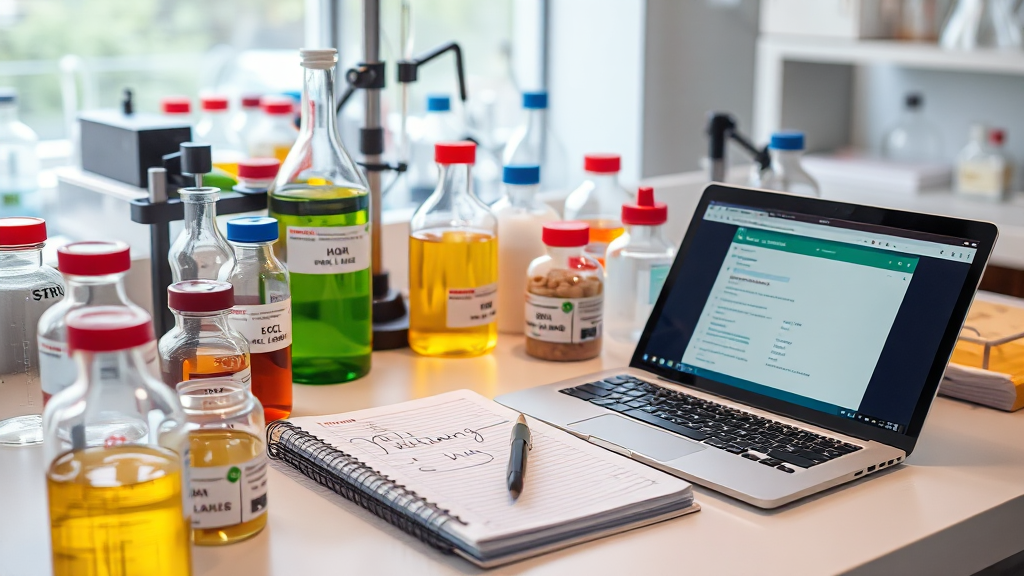
Buy 5cladba raw material: A Complete Sourcing Guide for Research Laboratories
When a laboratory decides to Buy 5cladba raw material, the decision is rarely impulsive. It usually follows weeks of protocol planning, budget review, and a careful comparison of suppliers who can deliver consistent quality within a predictable timeframe. 5CL-ADBA has become a familiar reference point in research circles, and the raw material form is often preferred by teams that want greater control over how a compound is prepared, measured, and documented during an experiment. This guide explains what to look for, how to evaluate suppliers, and why working with a specialised European source can make a measurable difference to research outcomes.
Understanding 5CL-ADBA as a Research Material
5CL-ADBA is a synthetic research chemical that appears in laboratory literature and supplier catalogues under names such as 5cladba. It is important to treat it strictly as a laboratory reference material rather than a consumer product. Researchers typically work with it in controlled settings where accurate weighing, proper storage, and detailed record-keeping are standard practice. The compound is available in several colour variants, including yellow, white, and pink, and each variant may behave differently depending on the solvent system and the analytical method being used.
Raw material is distinct from a finished, pre-formulated product. When you purchase raw material, you are responsible for preparation, dilution, and documentation. That added responsibility is precisely why many laboratories prefer it: it allows them to standardise their own internal processes and maintain full traceability from delivery to experiment. Teams that need a ready-to-use format instead often choose to Buy 5cladba finished product online, which suits projects with tighter timelines or less in-house preparation capacity.
Why Laboratories Choose to Buy 5cladba Raw Material
There are several practical reasons why raw material sourcing remains popular among research groups. First, it offers flexibility. A single batch of raw material can be divided into multiple experimental aliquots, each prepared according to a different protocol. Second, it supports reproducibility. When a lab controls preparation from the ground up, it can document every variable, which is essential for studies that need to be repeated or peer-reviewed. Third, it can be more economical over time, because bulk raw material reduces the cost per experiment compared with repeatedly ordering pre-formulated units.
Another consideration is storage. Raw material, when kept under appropriate conditions, can remain stable for extended periods, allowing laboratories to plan purchases around budget cycles rather than experiment schedules. This is particularly useful for academic labs that operate on semester-based funding. For teams that need a precursor format for synthesis work, it is also possible to Buy 5cladba precursor from a supplier that understands the technical requirements of research environments.
Key Qualities of a Reliable 5CL-ADBA Supplier
Not every supplier is built for laboratory work. A reliable source should demonstrate several characteristics that matter to researchers:
Consistent quality control. Batches should be uniform in appearance and behaviour. Colour variants should be clearly labelled, and any deviation should be documented. A supplier that cannot describe its quality checks is a supplier that should be avoided.
Transparent product information. Listings should state the form, variant, and any relevant handling notes. Vague descriptions make it impossible to plan experiments accurately.
Discreet, secure packaging. Research materials need packaging that protects the product during transit and respects the privacy of the recipient. Sealed containers, clear labelling, and sturdy outer packaging are baseline expectations.
Responsive support. Questions about availability, shipping timelines, or product variants should be answered quickly. A supplier that offers round-the-clock communication, for example through a messaging app, gives researchers confidence that urgent needs can be addressed.
Geographic relevance. For European laboratories, a European-based supplier reduces shipping time, lowers the risk of customs delays, and simplifies communication across time zones.
How to Evaluate a Product Listing Before You Buy
Before placing an order, read the listing carefully. Check whether the product is described as raw material, precursor, or finished product, because these are not interchangeable. Confirm the variant you need. If your protocol calls for a specific colour form, make sure the supplier can provide it. Look for information about batch consistency and storage recommendations.
It also helps to think about quantity. Ordering slightly more than your immediate experiment requires can save time later, but only if you have appropriate storage. Over-ordering without proper conditions can compromise the material. A good supplier will be willing to discuss these practical points before you commit to a purchase.
Finally, consider the ordering experience itself. A clear website, straightforward checkout, and accessible support channels all signal a supplier that takes research customers seriously. If you need a ready-to-use option rather than raw material, you can Buy 5cladba online in the format that best fits your workflow.
Storage, Handling, and Documentation Best Practices
Once raw material arrives, the work is only beginning. Proper storage and handling protect both the material and the integrity of your research. Keep containers sealed when not in use, store them away from direct light and extreme temperatures, and label everything clearly with the date of receipt and batch information. Use appropriate personal protective equipment when handling any laboratory chemical, and follow your institution’s safety guidelines at all times.
Documentation deserves equal attention. Maintain a log that records the supplier, order date, batch details, and the way the material was used in each experiment. This record becomes invaluable if results need to be verified or if a future study builds on your findings. Reproducibility depends on traceability, and traceability starts with disciplined record-keeping.
It is also wise to establish an internal standard for how raw material is divided into working portions. Pre-weighed aliquots reduce handling time and minimise the risk of contamination. If your laboratory has a quality management system, integrate these steps into it so that every team member follows the same procedure.
Shipping, Support, and the European Advantage
Shipping is often the most underestimated part of sourcing research materials. Delays can disrupt experiment schedules, and poor packaging can damage sensitive products. A European supplier that understands laboratory timelines can often deliver more predictably than a distant vendor. Look for clear shipping information, tracking where available, and packaging that protects the product from movement and environmental changes during transit.
Support matters just as much. Research does not always follow a nine-to-five schedule, and questions can arise at any hour. A supplier that offers 24/7 customer support through a messaging platform gives researchers a direct line for order updates, product questions, and urgent clarifications. That kind of responsiveness turns a simple transaction into a working relationship.
When evaluating a supplier, ask yourself whether they understand your context. Do they speak the language of laboratories? Do they recognise the difference between raw material and finished product? Do they treat privacy and discretion as priorities? The answers to these questions often separate a professional supplier from a generic e-commerce store.
Common Mistakes to Avoid When Sourcing Raw Material
Even experienced researchers can fall into avoidable traps. One common mistake is ordering from a supplier without verifying product details. Another is failing to confirm the variant or form before purchase. A third is neglecting storage planning, which can lead to material degradation before it is ever used.
It is also easy to overlook the importance of communication. If a supplier is slow to respond before a sale, they are unlikely to be faster after one. Test responsiveness with a simple question before you order. A prompt, knowledgeable reply is a good indicator of the service you can expect later.
Finally, avoid the temptation to chase the lowest price without considering quality and reliability. In research, inconsistent material can waste far more time and money than the savings from a cheaper supplier. Value comes from consistency, documentation, and dependable delivery.
Frequently Asked Questions
What is 5CL-ADBA raw material used for?
It is used as a laboratory reference material in controlled research settings. Researchers use it for analytical work, method development, and experimental protocols where accurate measurement and documentation are required.
What is the difference between raw material and a finished product?
Raw material requires the laboratory to handle preparation, dilution, and documentation. A finished product is pre-formulated and ready to use. The right choice depends on your protocol, timeline, and in-house capabilities.
Which colour variants are available?
Suppliers commonly offer yellow, white, and pink variants. The variant you choose should match the requirements of your research protocol, and the supplier should clearly label each option.
How should raw material be stored?
Keep it sealed, away from direct light and extreme temperatures, and clearly labelled with batch and receipt details. Follow your institution’s safety guidelines and maintain a usage log for traceability.
Why choose a European supplier?
A European supplier can offer shorter shipping times, fewer customs complications, and support across compatible time zones, which is valuable for laboratories working to tight schedules.
Final Thoughts on Sourcing 5CL-ADBA Raw Material
Sourcing research materials is a decision that affects the quality and reproducibility of your work. Taking the time to evaluate suppliers, verify product details, and plan storage and documentation will pay off in more reliable results. Whether your laboratory needs raw material, a precursor, or a finished format, working with a supplier that understands research environments makes the process smoother from start to finish. Choose carefully, document thoroughly, and keep your protocols at the centre of every decision.